


Why did thousands of young university students—and many of their professors—take to celebrating the sadistic atrocity of Hamas’s attack on Israel of 7 October 2023? A leading candidate for the answer is the malign influence of the ideology of ‘settler colonialism’.
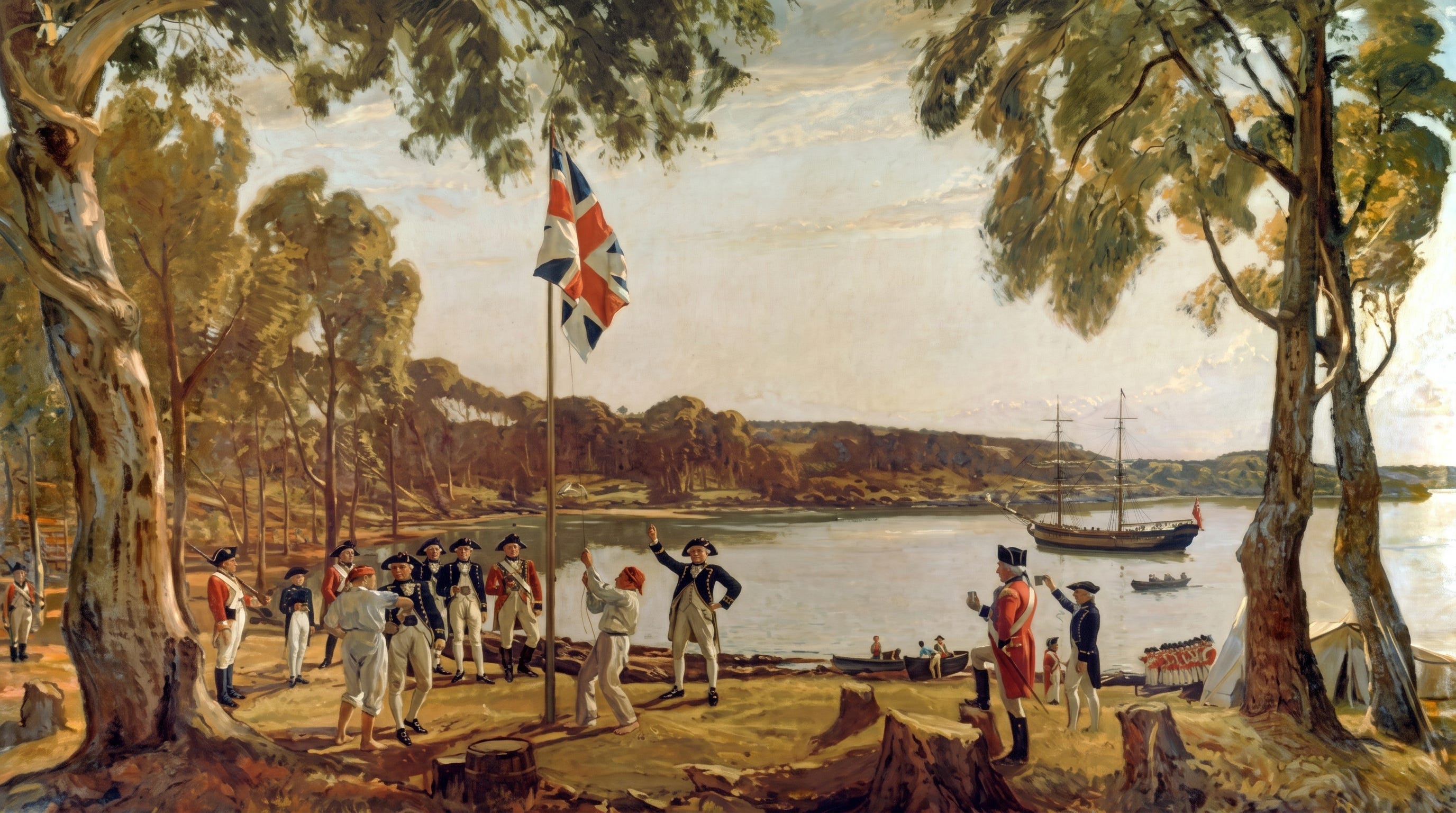
Of the earliest ideologues, the most influential was the Australian activist and anthropologist, Patrick Wolfe, whose 1999 book, Settler Colonialism and the Transformation of Anthropology, and 2006 article, “Settler colonialism and the elimination of the native”, have been seminal. As Wolfe has it, the kind of colonialism imposed on Australia and North America, which aimed to replace native societies with new, European ones, was characterised by “the logic of elimination”.
As is typical of radical left-wing politics, the theory of ‘settler colonialism’ redefines words for political effect and erases normal, common-sense distinctions. Crucial to its view is the loosening of the definition of the morally laden concept of genocide and its expansion beyond massive physical killing to include policies of cultural assimilation and even equal citizenship. Indeed, in the hands of another Australian academic, Lorenzo Veracini, who co-founded the journal Settler Colonial Studies in 2010, physical killing becomes just one of twenty-six species of ‘transfer’. ‘Transfer’, or the replacement of one society by another, is the fundamental and gravest wrong; massive killing is merely one of many means—alongside the granting of equal voting rights.
This unilateral conceptual redefinition is completely at odds with international law, which takes the physical elimination of the Jewish people in the Nazi Holocaust as the paradigm of genocide. The proposal to include a cultural species in the 1948 Convention on the Prevention and Punishment of the Crime of Genocide was rejected. More basically, the redefinition turns the normal, Christianised, Western hierarchy of moral goods upside down: the survival of a society—no matter its quality—is made more important than the lives of its individual members. It is no coincidence that the proponents of ‘settler colonialism’ tend to be anthropologists, who have for some long time been wont to idealise indigenous societies and cultures.
