


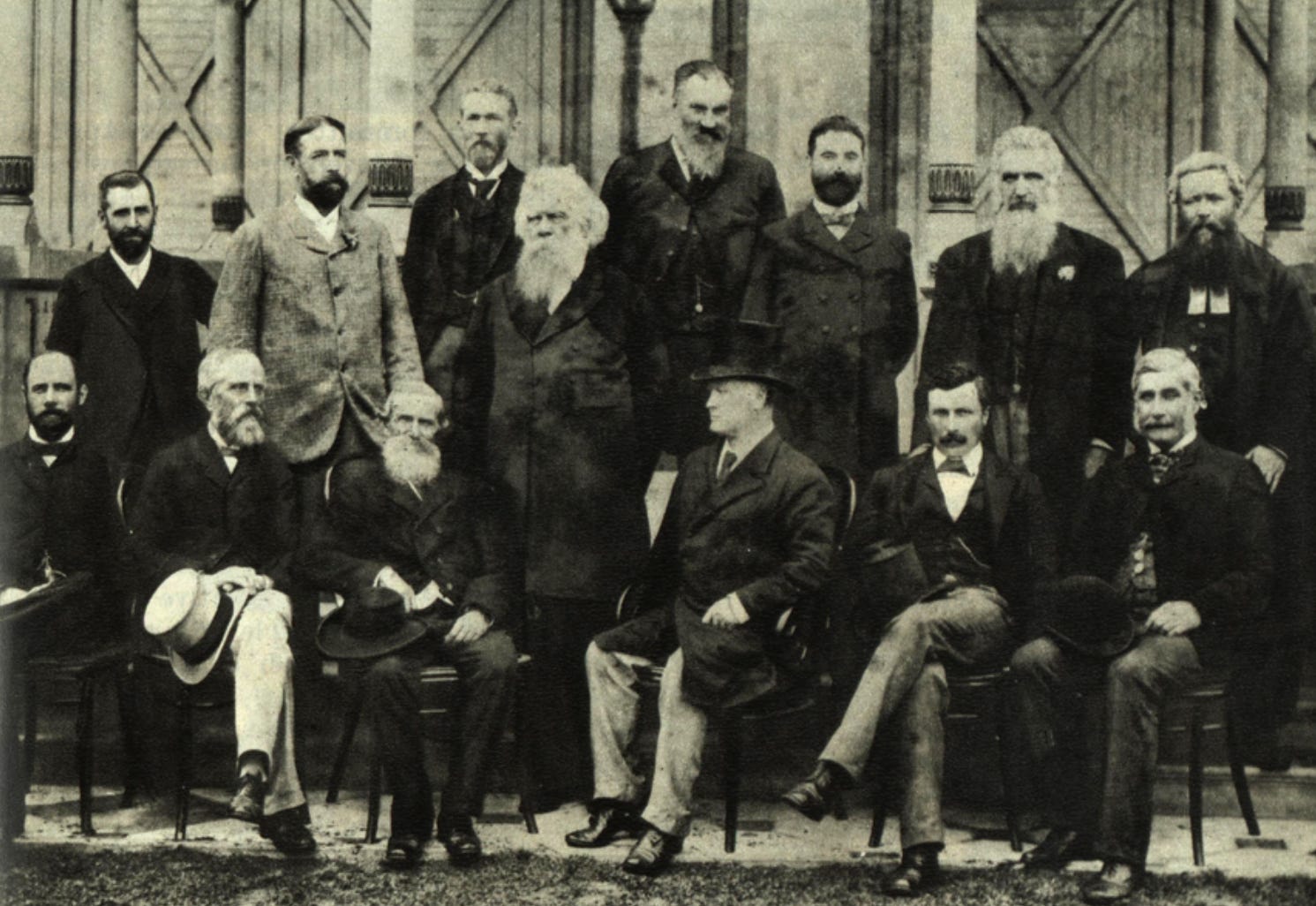
Up we go again. For 170 years, Australia has see-sawed between free trade and protectionism. The battle was hard-fought between the two sides up until Federation, with New South Wales classically the home of free trade and Victoria all-in for protection. Protection won through, becoming part of the Australian settlement, which held up until the 1970s, when the poles reversed and moved aggressively the other way, towards free trade.
As many have pointed out, including the Page Research Centre with their recent report ‘All At Sea’ (with a forward from the Hon John Anderson), the modern free trade era has left us dangerously dependent on foreign supply for our fuel, medicines and other essentials. So dependent in fact, that in a crisis our very sovereignty could be threatened.
The see-sawing motion continues because both sides are arguing over one object: the extent of government intervention. What if that’s not the right variable though? Wherever the state shapes a market, it places chokepoints - bottleneck positions - that collect income not for making anything, but simply for sitting astride the flow. A return to position, rather than production. The technical term for income of that kind is economic rent. The location of those chokepoints is, for the most part, not handed to us by nature. The real question is not “should the government intervene?” It is “who collects the rent?”
There are only three possible answers. A domestic incumbent. A foreign owner. Or the nation itself.
